Responsible Pet Ownership
Responsible pet ownership means committing to the lifelong health, safety, and well-being of your animal. This includes providing proper nutrition, regular veterinary care, vaccinations, and spay or neuter services, as well as daily exercise, training, and socialization. Just as important, pets need time, patience, and love—being a responsible owner means meeting both their physical and emotional needs and making thoughtful decisions that allow them to thrive as valued members of the family.
Dogs
- The 3-3-3 RuleThe 3-3-3 Rule
- License, Microchip, and ID TagLicense, Microchip, and ID Tag
- ExerciseExercise

- Hygiene and GroomingHygiene and Grooming
Helpful Tips
Adding a new furry companion to your home can be an exciting and meaningful experience for you and your family. It’s also normal for there to be a period of adjustment as everyone learns new boundaries, expectations, and daily routines. With patience, consistency, and time to settle in, most families begin to find what works best for both the pet and the household.
The 3-3-3 Rule for Dogs
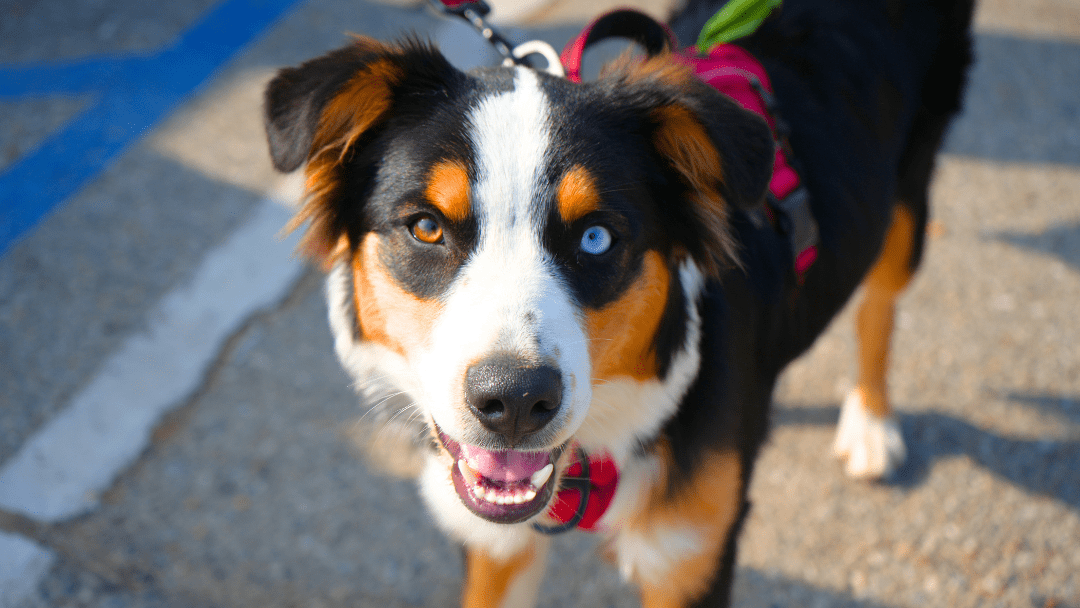
The 3-3-3 Rule helps new dog owners understand what to expect as a dog adjusts to a new home after adoption. Every dog is different, but this general guideline highlights common stages of transition.
First 3 Days:
Your dog may feel overwhelmed, nervous, or unsure of their new surroundings. They are learning new routines, sights, and sounds, and may not show their full personality yet. Patience, consistency, and a calm environment are key during this time.
First 3 Weeks:
As your dog begins to settle in, their true personality may start to emerge. They are learning house rules, building trust, and becoming more comfortable with daily routines, training, and family members.
First 3 Months:
By this stage, many dogs feel at home and form a strong bond with their family. Training and routines are more established, confidence has grown, and your dog is fully adjusting to their new life.
License, Microchip, and ID Tag
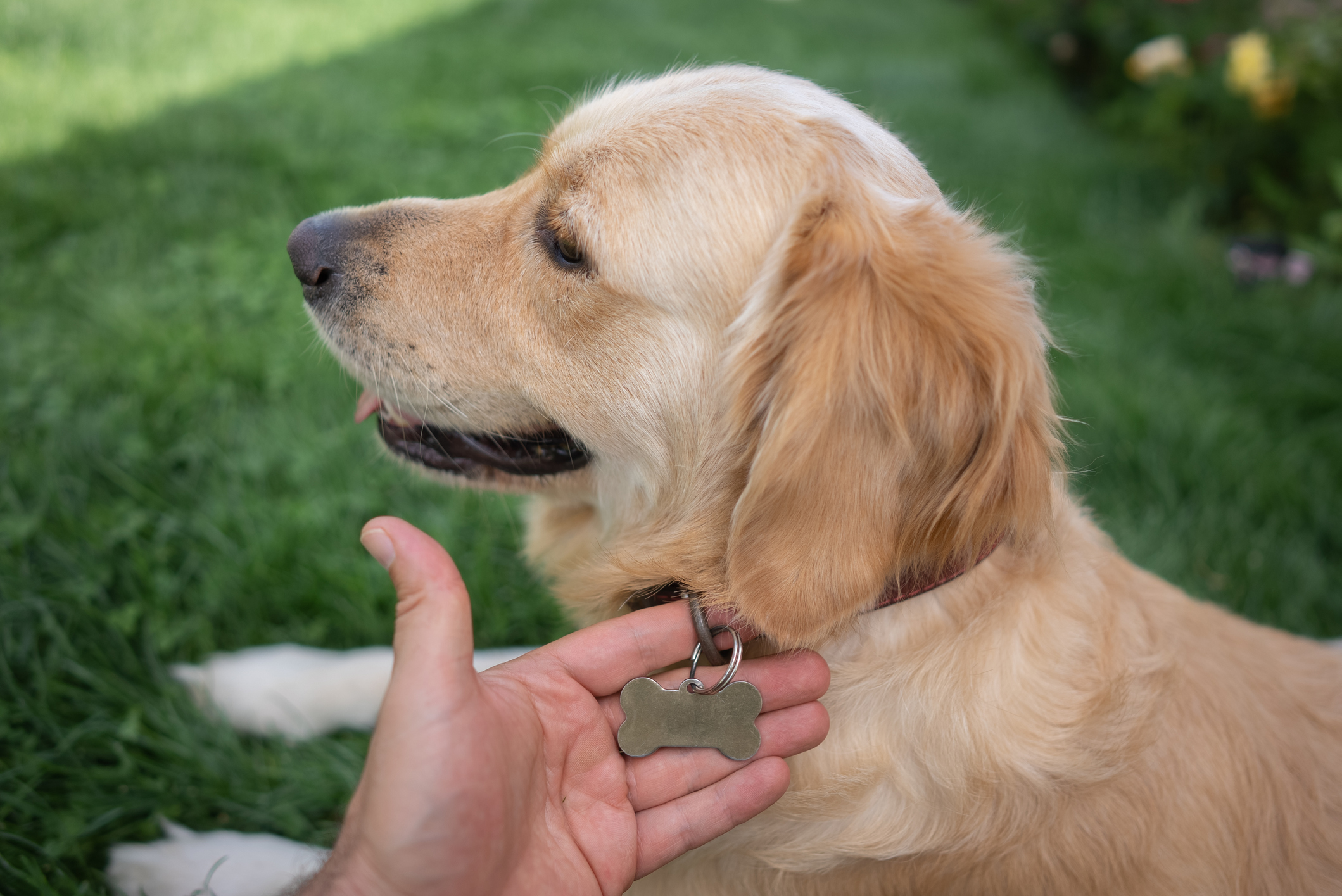
Keeping your dog properly licensed, microchipped, and wearing an ID tag is one of the most important steps in responsible pet ownership. A dog license shows that your pet is legally registered and helps support local animal services that protect pets and the community.
A microchip provides permanent identification that cannot be lost or removed. The tiny chip—about the size of a grain of rice—is placed just under the skin, usually between the shoulder blades, and contains a unique identification number. The microchip does not have a battery or GPS. If your dog is ever lost and brought to an animal shelter, veterinary clinic, or animal control agency, staff can scan the chip with a handheld scanner to retrieve the ID number and access the owner’s contact information through a registry database. This greatly increases the chances of a safe and quick reunion. It is important to register the microchip and keep your contact information up to date so it works as intended.
An ID tag offers immediate, visible identification and should always be attached to your dog’s collar. At a minimum, the tag should include your dog’s name and a current phone number. Together, licensing, microchipping, and ID tags create multiple layers of protection to help ensure your dog can always find their way home.
Additional Resource: Petco Love Lost
Petco Love Lost is a free, national lost-and-found pet database that uses facial recognition technology to help quickly reunite missing pets with their families. Registering your pet in advance can further support reunification if they become lost.
Exercise
Regular exercise is essential for a dog’s physical health and emotional well-being. Daily activity helps maintain a healthy weight, supports strong muscles and joints, and reduces the risk of health issues such as obesity and related conditions. Exercise also provides important mental stimulation, helping to prevent boredom, anxiety, and destructive behaviors.
Walks, playtime, training activities, and enrichment games all give dogs the opportunity to release energy, explore their environment, and strengthen the bond with their owners. The type and amount of exercise should be appropriate for your dog’s age, breed, and health needs. By making exercise a consistent part of your dog’s routine, pet owners help their dogs stay happy, confident, and well-balanced members of the family.
Hygiene and Grooming
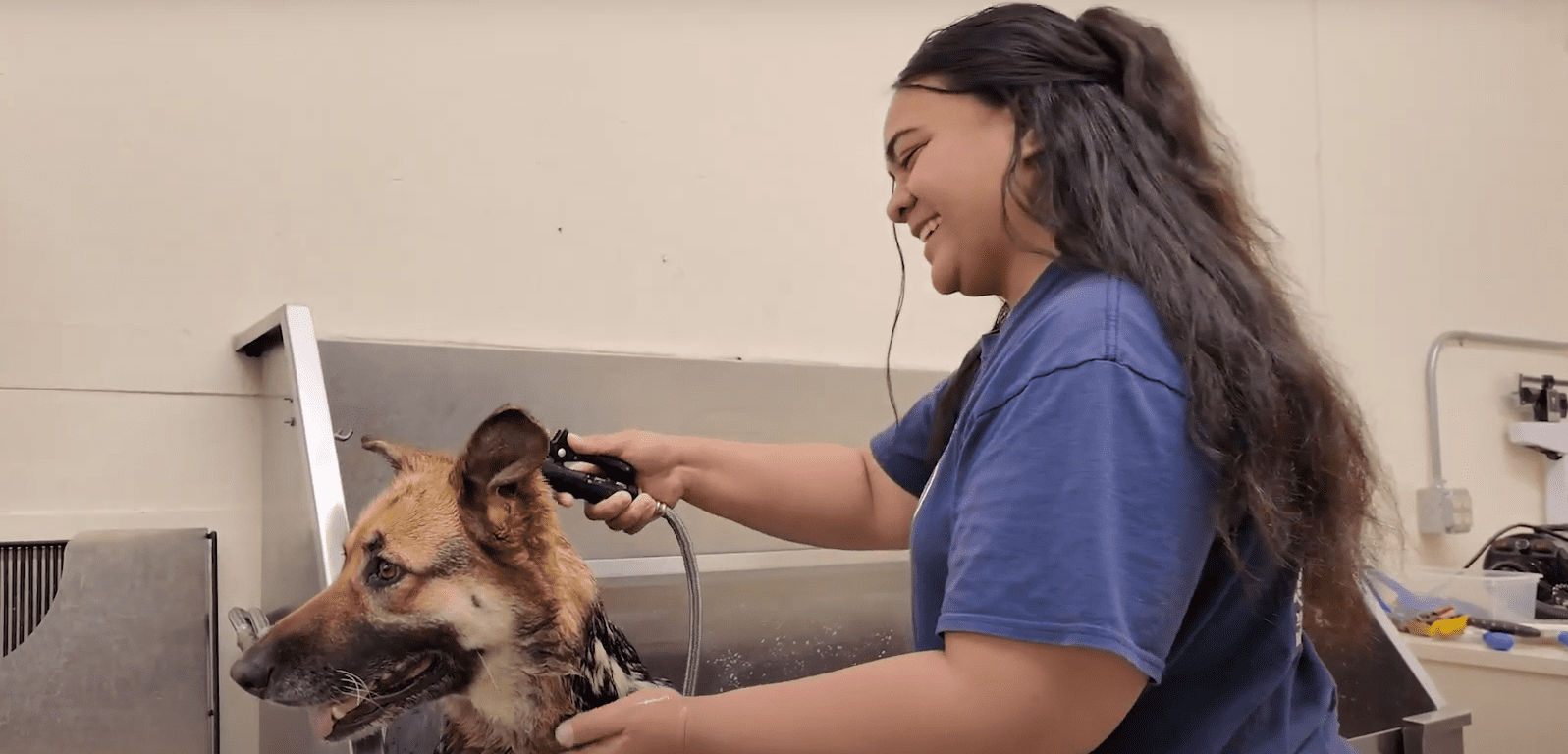
Regular grooming is essential for your dog’s health, comfort, and overall well-being. Brushing helps remove loose fur, dirt, and debris, and prevents mats and tangles that can cause discomfort or skin problems. Bathing keeps your dog’s coat clean and helps control odors, while trimming nails, cleaning ears, and maintaining dental hygiene prevent pain, infections, and other health issues.
Grooming is also an important opportunity to check for signs of injury, parasites, or skin conditions early, ensuring timely veterinary care. Beyond physical health, regular grooming strengthens the bond between you and your dog, making them feel loved, cared for, and comfortable in their own skin.
- Veterinary CareVeterinary Care
- Training and EnrichmentTraining and Enrichment

- Safety and Home CareSafety and Home Care

- Essential SuppliesEssential Supplies

Veterinary Care
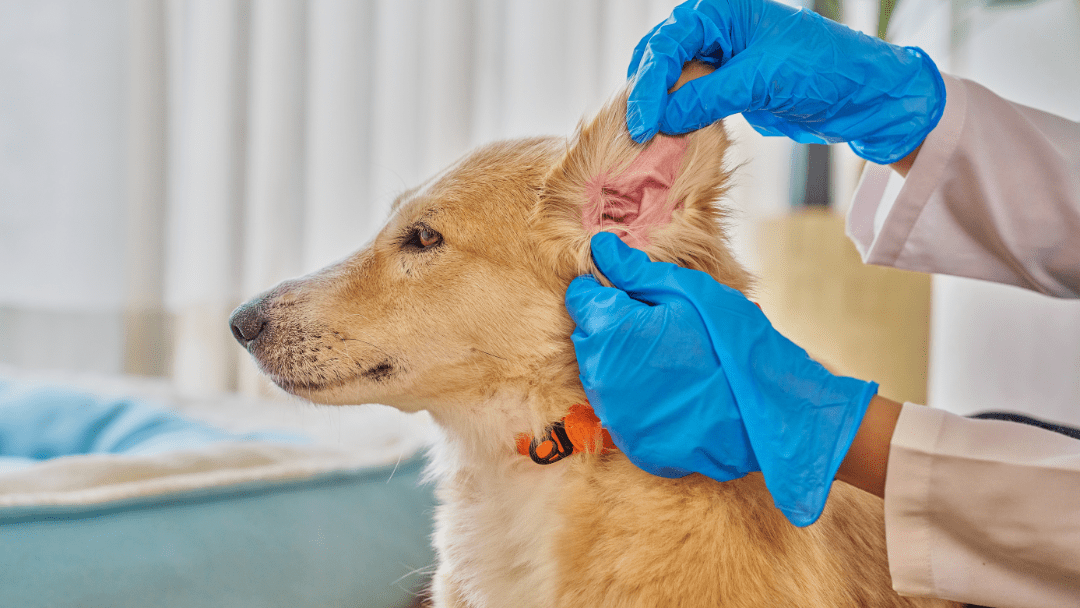
Regular veterinary care is vital to keeping your dog healthy, happy, and protected from illness. Routine check-ups allow a veterinarian to monitor your dog’s growth, detect early signs of health issues, and provide preventive care. Vaccinations protect against serious diseases, while treatments for parasites like ticks, fleas, and heartworm help prevent discomfort and potentially life-threatening conditions. If you have a puppy or young dog, it’s important to ensure they are fully vaccinated before going out in public.
Veterinary care also includes dental check-ups, spaying or neutering, and guidance on nutrition, exercise, and overall wellness. By staying up to date with vet visits and recommended treatments, dog owners ensure their pets live longer, healthier lives and enjoy every moment as a beloved member of the family.
Understanding Vaccines and Common Health Conditions
Learn more about common canine vaccines and the diseases they prevent.
- Rabies Vaccine
- Rabies is a fatal viral disease that attacks the central nervous system. Symptoms may include fever, lethargy, loss of appetite, and noticeable behavioral changes such as unusual aggression or extreme withdrawal. As the disease advances, animals may develop excessive drooling, difficulty swallowing, staggering, paralysis, or seizures.
- Rabies is zoonotic (can spread to humans), and preventative vaccination is required by law.
- DA2PP Vaccine (Distemper, Adenovirus, Parvovirus, Parainfluenza)
- Distemper is a severe virus that affects the respiratory, gastrointestinal, and nervous systems. Distemper symptoms can include fever, nasal and eye discharge, coughing, vomiting, diarrhea, lethargy, loss of appetite, thickened paw pads, and in severe cases, neurological signs such as tremors, seizures, or paralysis. It is often fatal and can cause permanent brain damage if the patient survives.
- Infectious Canine Hepatitis (Adenovirus) can cause symptoms such as fever, lethargy, loss of appetite, coughing, abdominal pain, vomiting, diarrhea, pale gums, and in severe cases, liver damage, bleeding disorders, or clouded corneas. This virus targets the liver, kidneys, and lungs. It is spread through contact with infected urine, feces, or saliva.
- Parvovirus (Parvo) symptoms include severe vomiting, bloody diarrhea, lethargy, loss of appetite, fever, dehydration, and rapid weakness. It is a highly contagious and life-threatening virus that puppies and younger dogs are most susceptible to, but it can also occur in adults, especially if unvaccinated.
- Canine parainfluenza is a contagious respiratory virus that typically causes coughing, sneezing, nasal discharge, mild fever, lethargy, and reduced appetite, and it is commonly associated with kennel cough complexes in dogs housed in close quarters.
- Leptospirosis Vaccine
- Leptospirosis can cause a range of symptoms from mild to severe, and may include fever, lethargy, vomiting, and jaundice. It is a bacterial infection often found in water or soil contaminated by wildlife urine (like rats, raccoons, or deer). It can cause kidney and liver failure and can also infect humans.
- Bordetella Vaccine (Kennel Cough)
- Bordetella infections in dogs typically present with a persistent cough, sneezing, and nasal discharge. This is a highly contagious respiratory infection that most boarding, grooming, and daycare facilities require.
In addition to these most advised vaccines, your vet may recommend additional immunizations if your dog frequents parks, boarding facilities, or wooded areas.
- Canine Influenza Vaccine (Dog Flu)
- Canine Influenza is a respiratory virus that can lead to pneumonia. Symptoms may include coughing, sneezing, nasal discharge, fever, lethargy, and decreased appetite. Outbreaks often occur in high-traffic dog areas.
- Lyme Disease Vaccine
- Lyme disease symptoms can include lethargy, weight loss, fever, vomiting, inappetence, conjunctivitis, joint swelling, or intermittent leg lameness. This disease is transmitted by deer ticks. The vaccine is recommended if you live in a wooded or tick-heavy area.
Other Common Health Conditions
- Intestinal Parasites
- Symptoms of the various internal parasites include diarrhea, pot-bellied appearance, or visible worms in stool. Intestinal parasites are common but usually easily treated with the help of your veterinarian.
- Heartworm disease
- Symptoms of the blood-borne parasite in the heart include persistent cough, fatigue, weight loss, heart failure, and death. Oral and injectable preventatives are available by prescription from your veterinarian.
- Ear infections
- Symptoms include head shaking, scratching at ears, redness, ear pain or a pungent odor. Prompt veterinary care is essential for treating ear infections, which may involve eardrops, cleaning, and addressing underlying causes.
- Dental disease
- If you notice bad breath, yellow or brown tartar, or difficulty chewing, have your pet seen by your veterinarian right away. If your pet still has good teeth, consult with your vet on ways to maintain their dental health.
In addition to core vaccines, your veterinarian may recommend additional vaccines or preventative care based on your pet’s lifestyle, especially if they go outdoors, live in multi-pet households, or are exposed to boarding environments. Regular veterinary checkups and vaccinations are the best way to keep your dog healthy and protected.
Training and Enrichment
Training and enrichment are essential for a dog’s mental and emotional well-being. Training helps dogs understand expectations, follow commands, and behave safely in a variety of situations. Consistent, positive training strengthens the bond between you and your dog and builds confidence, making daily life more enjoyable for both of you.
Enrichment activities—like puzzle toys, scent games, interactive play, and new experiences—stimulate your dog’s mind, prevent boredom, and reduce stress or destructive behaviors. Providing both training and enrichment supports a well-rounded, happy dog, helping them thrive physically, mentally, and emotionally while deepening your connection as a caring pet owner.
Safety and Home Care
Providing a safe and comfortable environment is essential for your dog’s health and well-being. Dogs should have a clean, quiet, and protected space where they can rest, feel secure, and retreat when they need privacy.
Home Safety Tips
- Supervise your dog when outdoors and secure yards, balconies, and gates to prevent escapes or accidents.
- Keep hazardous items, small objects, and toxic substances out of reach. Check your home regularly for potential dangers, including sharp edges or unsafe toys.
- Ensure your dog always has access to fresh water, a balanced diet, and a comfortable sleeping area.
Hazardous Chemicals and Substances
Many common household, garden, and automotive chemicals can be dangerous if ingested, inhaled, or absorbed through the skin:
- Rodenticides – Rat or mouse poisons
- Insecticides & Pesticides – Snail bait, ant or cockroach traps
- Herbicides & Fertilizers – Especially those containing glyphosate or other toxic chemicals
- Household Cleaners – Bleach, ammonia, disinfectants, drain cleaners
- Automotive Products – Antifreeze, motor oil, windshield washer fluid
- Human Medications – Pain relievers, antidepressants, cold and flu medications
- Essential Oils & Scented Products – Some, like tea tree, pennyroyal, or wintergreen, can be harmful
Some plants can be poisonous to dogs if chewed or ingested. Before bringing any plant into your home or garden, it’s important to research its safety for pets. Common toxic plants include:
- Lilies (certain types are especially toxic to cats but can still affect dogs)
- Oleander
- Sago palm
- Azaleas and rhododendrons
- Foxglove
- Tulip and daffodil bulbs
- Marijuana and certain mushrooms
Preventing Accidents
- Store all chemicals, medications, and other toxic substances in secure cabinets or high shelves out of reach.
- Supervise your dog in areas where chemicals or potentially toxic plants are present.
- Follow label instructions carefully when using any chemical or pesticide.
If Exposure Occurs
- Contact your veterinarian or the emergency ASPCA poison control hotline immediately at (888) 426-4435. Quick action can prevent serious illness.
- Signs of poisoning may include vomiting, diarrhea, drooling, lethargy, seizures, difficulty breathing, or unusual behavior. Prompt veterinary care is essential.
By prioritizing safety, proper living spaces, and awareness of hazardous substances and plants, dog owners help their pets thrive, prevent accidents, and create a happy, healthy home where dogs feel loved and secure.
Essential Supplies
Bringing home a new dog is exciting. Having the right supplies from the start helps your dog feel safe, comfortable, and ready to learn.
Must-Have Basics
- Food and water bowls – Sturdy, non-slip, and easy to clean
- Dog food – Appropriate for your dog’s age, size, and health needs; consult with your veterinarian for recommendations regarding specialized diets or food
- Food storage container – Keeps food fresh and secure
Safety and Identification
- Collar or harness with ID tag – Include current contact information
- Leash – For daily walks and outings
- Crate – For transportation safety and training
- Playpen – Optional but helpful for training and safety
- Travel safety supplies – Seat belt restraint or carrier for car rides
Comfort and Home Setup
- Comfortable bed or crate – Provides a safe place to rest and relax
Training and Enrichment
- Toys – Chew toys, enrichment toys, and interactive toys for mental and physical exercise
- Training treats and basic training tools – Supports positive reinforcement and learning
Grooming and Cleanup
- Grooming supplies – Brush, nail clippers, and dog-safe shampoo
- Waste cleanup supplies – Poop bags, scoop, or disposal system
- Cleaning supplies for accidents – Pet-safe cleaner for easy cleanup
Veterinary Essentials
- Vaccination records – Keep copies for vet visits, boarding, and licensing
- Flea and tick prevention – Use veterinarian-recommended products
- Heartworm prevention – As recommended by your veterinarian
Cats
- The 3-3-3 RuleThe 3-3-3 Rule
- MicrochipMicrochip

- EnrichmentEnrichment
- Hygiene and GroomingHygiene and Grooming
Helpful Tips
Adding a new furry companion to your home can be an exciting and meaningful experience for you and your family. It’s also normal for there to be a period of adjustment as everyone learns new boundaries, expectations, and daily routines. With patience, consistency, and time to settle in, most families begin to find what works best for both the pet and the household.
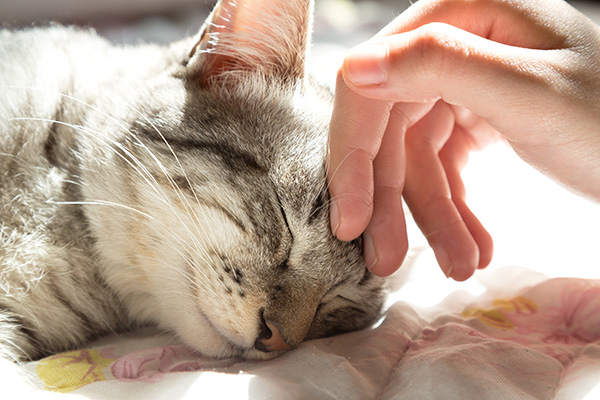
The 3-3-3 Rule for Cats
The 3-3-3 Rule helps new cat owners understand the typical adjustment period when bringing a cat into a new home. Every cat is unique, but this guideline highlights common stages of transition.
First 3 Days:
Your cat may be cautious, shy, or hide as they adjust to new surroundings, smells, and sounds. Give them a quiet space, access to food, water, and a litter box, and let them explore at their own pace.
First 3 Weeks:
As your cat becomes more comfortable, they may begin to show their personality and interact more with family members. This is a good time to introduce gentle play, establish routines, and start basic training or enrichment.
First 3 Months:
By this stage, most cats feel at home and are fully adjusting to daily routines, their environment, and family members. Trust, confidence, and bonds are established, and your cat is more likely to engage in consistent behavior and enjoy interactive play and affection.
Microchip
Microchipping is one of the most important steps a cat owner can take to keep their pet safe. A microchip is a tiny, implantable device—about the size of a grain of rice—placed under your cat’s skin that contains a unique identification number. Unlike collars or tags, a microchip cannot be lost or removed.
If your cat ever gets lost, a shelter, veterinary clinic, or animal control agency can scan the microchip with a special handheld scanner. The scanner reads the unique ID number, which is linked to your contact information in a registry database. This allows staff to quickly contact you and arrange for your cat’s safe return.
To ensure it works effectively, it’s essential to register the microchip and keep your contact information up to date. Microchipping provides peace of mind, giving your cat a permanent, reliable form of identification no matter what happens.
Additional Resource: Petco Love Lost
Petco Love Lost is a free, national lost-and-found pet database that uses facial recognition technology to help quickly reunite missing pets with their families. Registering your pet in advance can further support reunification if they become lost.
Enrichment
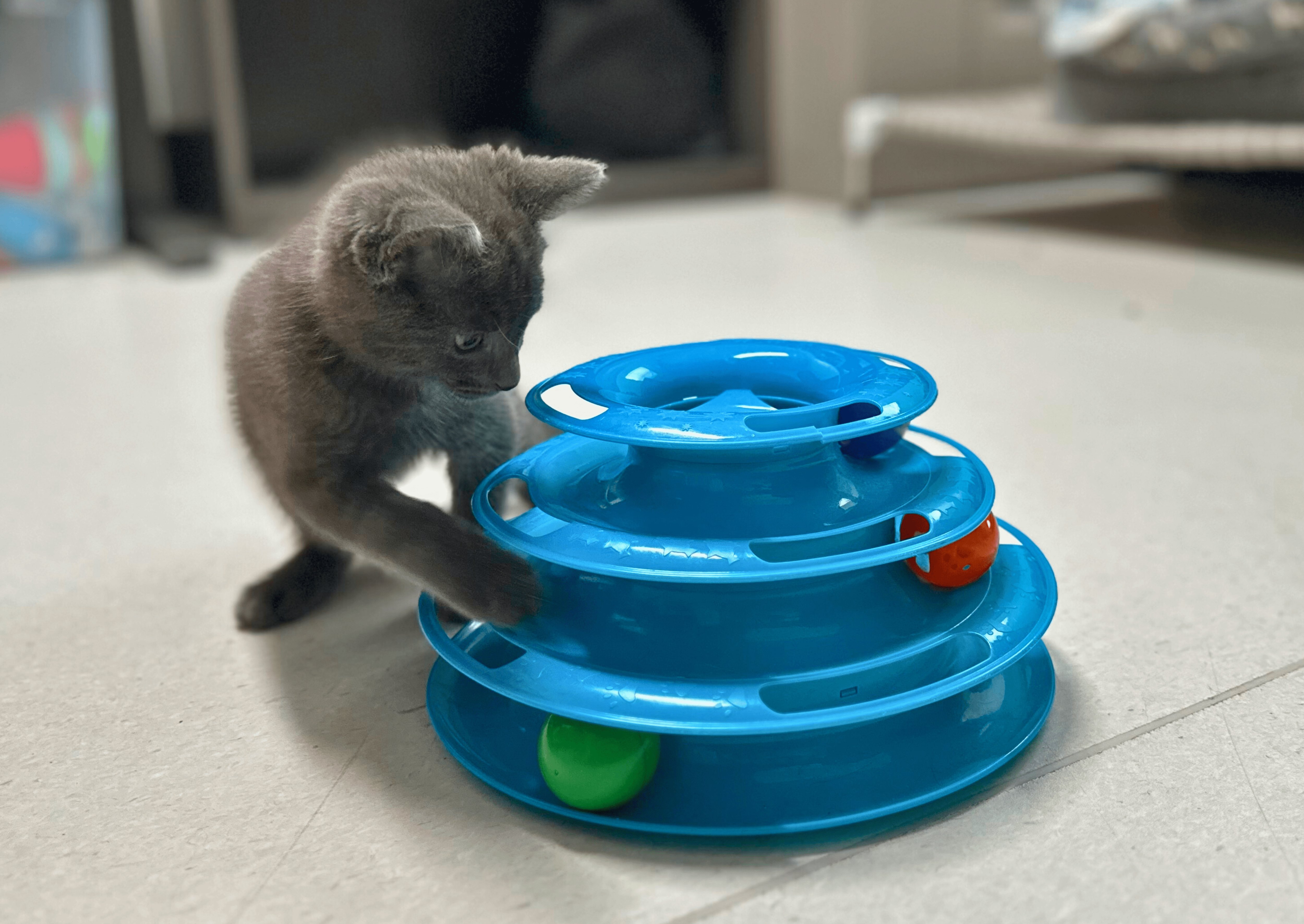
Providing enrichment is essential for a cat’s mental and emotional well-being. Cats are naturally curious and intelligent animals, and a stimulating environment helps prevent boredom, stress, and destructive behaviors. Enrichment can include toys, climbing structures, puzzle feeders, scratching posts, and interactive playtime.
Introducing new experiences, scents, or safe outdoor time (like leash walks or a catio) gives your cat opportunities to explore, exercise, and engage their instincts. Regular enrichment strengthens your cat’s confidence, supports healthy behavior, and helps them lead a happy, fulfilled life in your home.
Hygiene and Grooming
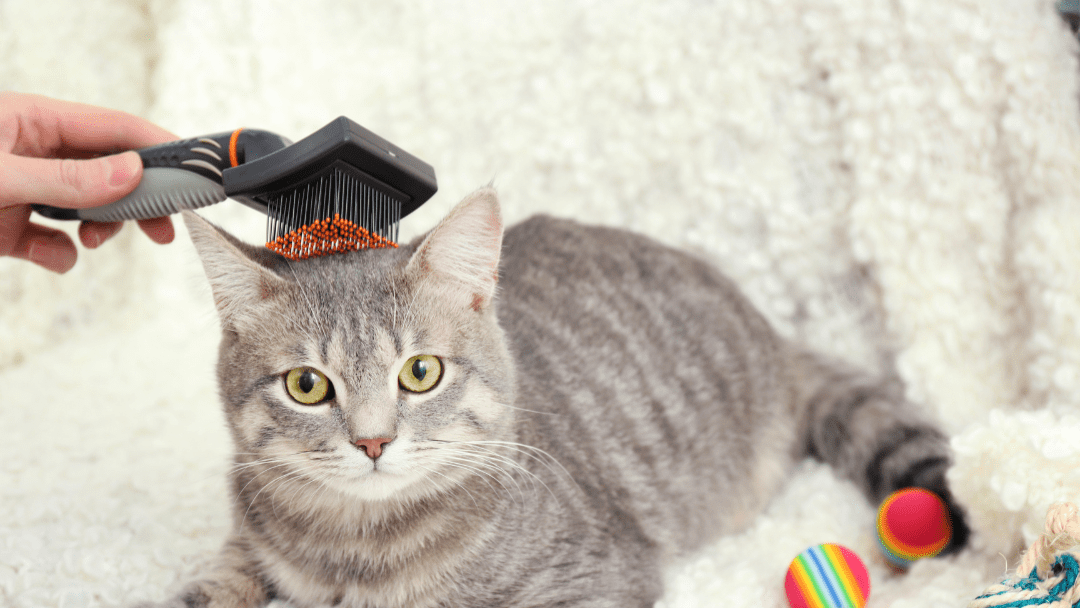
Regular hygiene and grooming are essential for keeping your cat healthy, comfortable, and happy. Brushing your cat removes loose fur, reduces hairballs, and prevents mats or tangles, which can cause discomfort or skin issues. Bathing is rarely needed for most cats, but occasional cleaning may be necessary for long-haired breeds or after getting into something messy.
Grooming also includes trimming nails, cleaning ears, and monitoring dental health, all of which help prevent pain, infections, and other health problems. Daily litterbox cleaning is another important aspect of hygiene. If you don’t have an automatic litterbox, scooping 1–2 times a day helps keep your cat’s environment clean, reduces odors, and encourages consistent use of the litterbox.
Regular grooming sessions provide an opportunity to check for signs of illness, parasites, or injuries, ensuring your cat receives timely care. Beyond health benefits, grooming strengthens the bond between you and your cat, making them feel loved, safe, and well-cared-for.
- Veterinary CareVeterinary Care

- Safety and Home CareSafety and Home Care

- Essential SuppliesEssential Supplies

Veterinary Care
Regular veterinary care is essential for keeping your cat healthy and preventing serious health issues. Routine check-ups allow a veterinarian to monitor your cat’s growth, overall health, and detect any early signs of illness. Vaccinations protect against dangerous diseases, while preventive treatments for parasites like fleas, ticks, and heartworm help keep your cat safe and comfortable.
Veterinary care also includes dental check-ups, spaying or neutering, and guidance on nutrition, behavior, and overall wellness. By maintaining regular vet visits and following recommended care, cat owners ensure their pets live longer, healthier lives and can enjoy every moment as happy, thriving members of the family.
Understanding Vaccines
Learn about common feline vaccines and the diseases they prevent.
- Rabies Vaccine
- Rabies is a fatal viral disease that attacks the central nervous system. Symptoms may include fever, lethargy, loss of appetite, and behavioral changes such as unusual aggression or extreme withdrawal. As the disease progresses, cats may develop excessive drooling, difficulty swallowing, incoordination, paralysis, or seizures.
- FVRCP Vaccine (Feline Viral Rhinotracheitis, Calicivirus, Panleukopenia)
- Feline Viral Rhinotracheitis (Feline Herpesvirus-1): This highly contagious upper respiratory virus can cause sneezing, nasal discharge, eye discharge, fever, lethargy, and loss of appetite. Some cats may develop corneal ulcers or chronic respiratory issues. Once infected, cats can carry the virus for life.
- Calicivirus: Feline calicivirus commonly causes upper respiratory symptoms such as sneezing, nasal congestion, eye discharge, fever, and oral ulcers that may cause drooling or difficulty eating. In rare cases, more severe systemic illness can occur.
- Panleukopenia (Feline Distemper): Panleukopenia is a highly contagious and often fatal viral disease that attacks the gastrointestinal and immune systems. Symptoms may include severe vomiting, diarrhea (sometimes bloody), lethargy, dehydration, fever, and rapid decline. Kittens are especially vulnerable.
- FeLV Vaccine (Feline Leukemia Virus)
- Feline leukemia virus weakens the immune system and can lead to anemia, weight loss, persistent infections, fever, and certain cancers such as lymphoma. It spreads through close contact, grooming, shared bowls, and bite wounds. Vaccination is recommended for kittens and cats that go outdoors or live with infected cats.
Other Common Health Conditions
- Intestinal Parasites
- Symptoms of the various internal parastites may include diarrhea, weight loss, bloated abdomen, vomiting, or visible worms in stool. Parasites are common in kittens but are typically treatable with veterinary care.
- Feline Infectious Peritonitis (FIP)
- A serious viral disease caused by a mutation of feline coronavirus. Symptoms may include persistent fever, weight loss, lethargy, abdominal fluid buildup, or neurological signs. Early diagnosis and treatment are critical.
- Dental Disease
- Bad breath, red or swollen gums, drooling, difficulty chewing, or tartar buildup can indicate dental disease. Routine dental care helps prevent pain, infection, and tooth loss.
- Ear Mites
- Symptoms of parasites in the ear canal include head shaking, scratching at the ears, dark debris in the ears, redness, or odor. Prompt veterinary care is recommended
- Ear Infections
- Symptoms of ear infections include head shaking, scratching at the ears, dark debris in the ears, redness, or odor. Prompt veterinary care is recommended.
In addition to core vaccines, your veterinarian may recommend additional vaccines or preventative care based on your pet’s lifestyle, especially if they go outdoors, live in multi-pet households, or are exposed to boarding environments. Regular veterinary checkups and vaccinations are the best way to keep your cat healthy and protected.
Safety and Home Care
Providing a safe and comfortable environment is essential for a cat’s health and well-being. Cats should have a designated space that is clean, quiet, and protected from extreme temperatures, where they can rest, feel secure, and retreat when they need privacy.
Safety also means supervising your cat when they are outdoors, securing windows and balconies, and keeping hazardous items, chemicals, and small objects out of reach. Regularly check your home for potential dangers, such as sharp edges, unsafe toys, toxic plants, or harmful substances, and ensure your cat always has access to fresh water, food, and a clean litter box.
Hazardous Chemicals and Substances
Many common household, garden, and automotive chemicals can be toxic to cats if ingested, inhaled, or absorbed through the skin. Common hazards include:
- Rodenticides – Rat or mouse poisons
- Insecticides & Pesticides – Snail bait, ant or cockroach traps
- Herbicides & Fertilizers – Especially those containing glyphosate or other toxic chemicals
- Household Cleaners – Bleach, ammonia, disinfectants, and drain cleaners
- Automotive Products – Antifreeze, motor oil, windshield washer fluid
- Human Medications – Pain relievers, antidepressants, cold and flu medications
- Essential Oils & Scented Products – Some, like tea tree, pennyroyal, or wintergreen, can be harmful
Some plants can be poisonous to cats if chewed or ingested. Before bringing a plant into your home or garden, research its safety for pets. Common toxic plants include:
- Lilies
- Azaleas and rhododendrons
- Oleander
- Sago palm
- Foxglove
- Tulip and daffodil bulbs
- Marijuana and certain mushrooms
Preventing Accidents
- Store all chemicals, medications, and other toxic substances in secure cabinets or high shelves out of reach.
- Supervise your cat in areas where chemicals or potentially toxic plants are present.
- Follow label instructions carefully when using any chemical or pesticide.
If Exposure Occurs
- Contact your veterinarian or the emergency ASPCA poison control hotline immediately at (888) 426-4435. Quick action can prevent serious illness.
- Signs of poisoning may include vomiting, diarrhea, drooling, lethargy, seizures, difficulty breathing, or unusual behavior. Prompt veterinary care is essential.
By prioritizing safety, avoiding hazardous plants and chemicals, and providing a secure living environment, cat owners help their pets thrive, reduce the risk of accidents or illness, and create a happy, healthy home where cats feel loved and secure.
Essential Supplies
Bringing home a new cat is exciting. Having the right supplies from the start helps your cat feel safe, comfortable, and at home.
Must-Have Basics
- Food and water bowls – Shallow, sturdy, and easy to clean
- Cat food – Appropriate for your cat’s age, size, and health needs; consult with your veterinarian for recommendations regarding specialized diets or food
- Food storage container – Keeps food fresh and secure
Safety and Identification
- Breakaway collar with ID tag – Include current contact information
- Cat carrier – Essential for vet visits and safe travel
Comfort and Home Setup
- Comfortable bed or resting area – A quiet place for your cat to relax
- Litter box – One per cat, plus one extra if possible
- Cat litter – Choose a type your cat prefers
- Litter scoop and mat – Makes daily cleaning easier and keeps floors tidy
Enrichment and Scratching
- Scratching post or pad – Supports natural scratching behavior and protects furniture
- Toys – Interactive and solo toys for mental stimulation and exercise
Grooming and Cleanup
- Grooming supplies – Brush or comb suited to your cat’s coat type
- Nail trimmers – For regular nail maintenance
- Cleaning supplies for accidents – Pet-safe cleaner for easy cleanup
Veterinary Essentials
- Vaccination records – Keep copies for veterinary visits and housing requirements
- Flea prevention – Use veterinarian-recommended products
- Parasite prevention – As recommended by your veterinarian
Caring for Other Animals
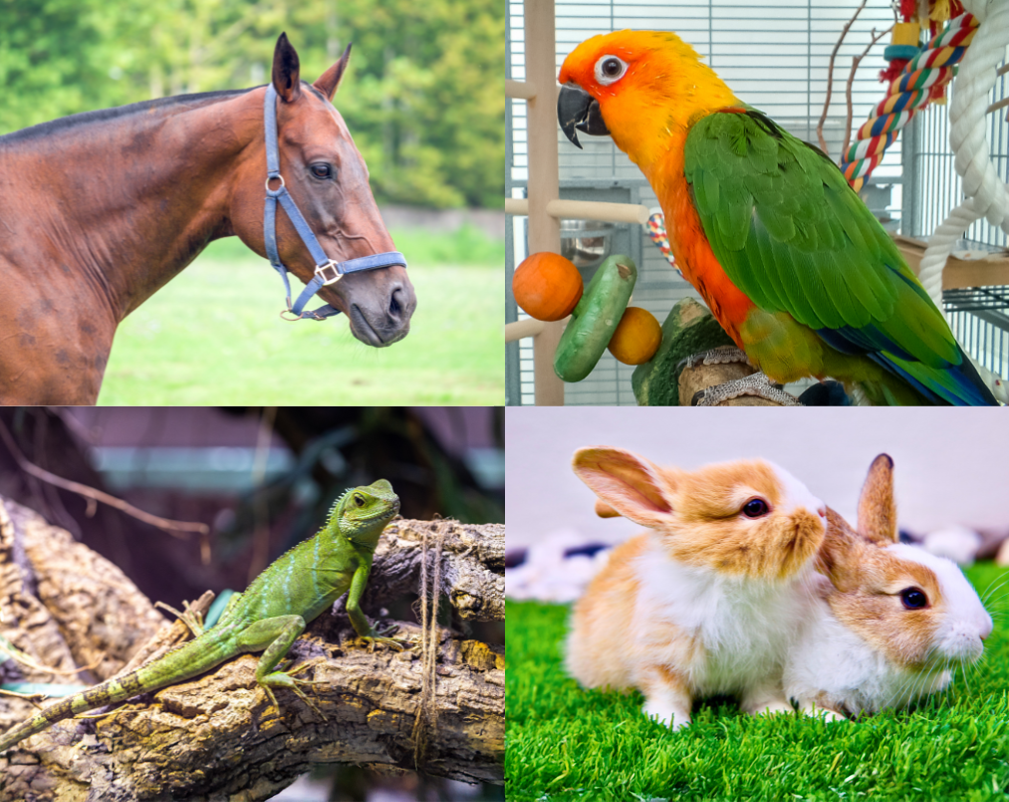
Animals beyond dogs and cats—including birds, reptiles, rodents, livestock, and other non-traditional pets—have unique and highly specialized needs. Care requirements can vary not only by species, but also by breed, age, and environment. What works for one type of animal may be unsafe or harmful for another.
Research and Legal Considerations
Before acquiring any non-traditional pet, make sure the species is legal in your city, county, and state. Some animals require permits, have restrictions, or may be prohibited entirely. Understanding the rules helps protect both you and the animal.
Professional Guidance
Consult a qualified veterinarian or animal care professional experienced with your pet species. Reputable resources and professional advice are essential for proper nutrition, housing, and health care. Improper care can lead to serious health issues or welfare concerns.
Commitment and Responsibility
Many non-traditional pets have long lifespans, specialized diets, and complex behavioral or environmental needs. Ownership should only be undertaken with a full understanding of the time, effort, and responsibility required to keep them healthy and safe.
By taking the time to research, follow legal guidelines, and seek expert guidance, you can ensure that your non-traditional pets thrive in a safe and nurturing environment.
FAQs
It’s okay to ask for help! Being a responsible pet owner doesn’t mean doing everything perfectly—it means recognizing when guidance and support are needed. Reach out to veterinarians, professional animal behaviorists, or certified trainers for advice.
If you face housing challenges, financial hardship, or major life changes, San Bernardino County Animal Care is here to help. Support services are available to assist you and your pet during temporary challenges.
Exercise requirements vary by species, breed, age, and health. Dogs typically need daily walks and playtime, while cats benefit from indoor play, climbing structures, and interactive toys. Other pets, like rabbits or birds, may need supervised space to explore or fly. Consult a veterinarian or animal care professional for species-specific guidance.
Routine veterinary visits are recommended at least once a year for healthy pets, and more frequently for puppies, kittens, senior animals, or pets with medical conditions. Preventive care like vaccinations, parasite control, and dental checks, helps catch issues early and keeps pets healthy.
Yes, but it requires research and preparation. Each species has specific housing, diet, and enrichment needs. Consult experienced veterinarians or care guides, and confirm that owning the species is legal in your area. Improper care can lead to serious health or welfare issues.
Many behavioral issues can be addressed with proper training, enrichment, and environmental adjustments. For persistent problems, seek professional guidance from a veterinarian, animal behaviorist, or certified trainer. Early intervention is key.
Signs of stress or illness vary by species but can include changes in appetite, behavior, grooming, energy level, or litter box habits. Early detection and veterinary care are important. Familiarize yourself with normal behaviors for your pet and monitor for any changes.
The right amount to feed your dog depends on their age, size, weight, activity level, and overall health. Most dog food packages include feeding guidelines based on your dog’s weight, which are a good starting point. Active dogs may need more food, while less active or senior dogs may need less.
To make sure your dog is getting the right amount, monitor their body condition—your dog should have a visible waist and you should be able to feel (but not see) their ribs. If you’re unsure or notice weight gain or loss, consult your veterinarian, who can recommend a portion size tailored to your dog’s specific needs.
Additional Resources:
The amount you should feed your cat depends on their age, weight, activity level, and health. Feeding guidelines on cat food packaging provide a helpful starting point, but they may need to be adjusted for your cat’s individual needs. Kittens usually need more frequent meals, while adult and senior cats may need controlled portions to maintain a healthy weight.
A healthy cat should have a visible waist when viewed from above, and you should be able to feel their ribs without pressing hard. If you’re unsure how much to feed or notice changes in your cat’s weight or appetite, talk with your veterinarian for personalized guidance.
Additional Resources:
Maintaining a healthy weight is essential for your dog’s overall health, mobility, and lifespan. A good way to check is the “hands-on” method: you should be able to feel your dog’s ribs without pressing too hard, and their waist should be visible when viewed from above. From the side, their belly should tuck up slightly behind the ribs.
Other indicators include energy levels, comfort during movement, and regular veterinary check-ups. Overweight or underweight dogs may be at higher risk for health problems such as diabetes, joint issues, or heart disease. If you’re unsure about your dog’s weight, your veterinarian can provide guidance on proper nutrition, portion control, and an exercise plan tailored to your dog’s needs.
Maintaining a healthy weight is important for your cat’s overall health and longevity. You should be able to feel your cat’s ribs without pressing too hard, and their waist should be slightly visible when viewed from above. From the side, their belly should tuck up slightly behind the ribs.
Other signs of a healthy weight include normal activity levels, agility, and comfort when jumping or climbing. Cats that are overweight or underweight are at higher risk for health problems such as diabetes, joint issues, or liver disease. If you’re unsure about your cat’s weight, a veterinarian can provide guidance on nutrition, portion control, and safe ways to help your cat reach or maintain a healthy weight.